In short
- A company registered through CIPC is registered for income tax automatically.
- A sole proprietor declares business income in their personal return.
- PAYE, UIF and SDL apply once you employ people.
- VAT is separate and only compulsory above the turnover threshold.
- SARS
Registering for tax is less work than most new owners expect. Not everything requires a separate registration. A good deal of what people worry about happens automatically, and the rest only applies once you cross a threshold or take on staff.
Registering for tax: what happens automatically
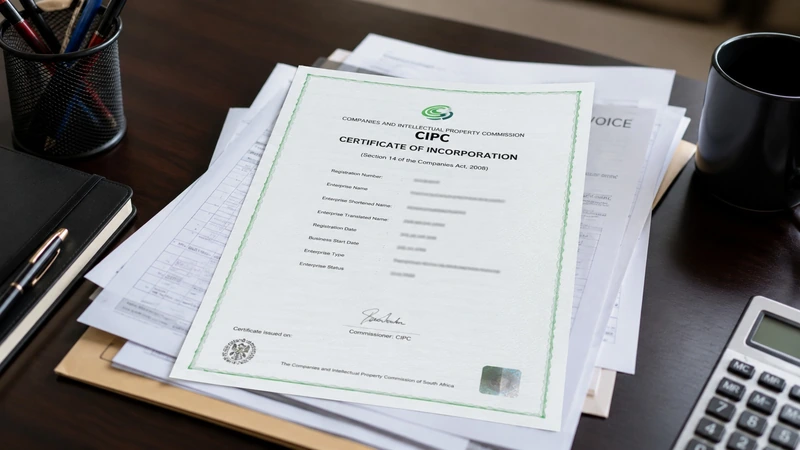
When you register a company through CIPC, it is registered for income tax and issued a tax reference number as part of that process. You do not apply separately.
A sole proprietor does not register a separate business taxpayer at all. The business income is declared in your own personal income tax return, which you already have.
What you register for separately
| Registration | When it applies |
|---|---|
| VAT | Compulsory above the turnover threshold, voluntary from a much lower level |
| PAYE | As soon as you employ anyone earning above the tax threshold |
| UIF | When you employ. Registered with SARS and the Department of Employment and Labour |
| SDL | Where your annual payroll exceeds the prescribed amount |
| Customs code | If you import or export |
The one that catches new employers is PAYE. It is due monthly from the first month you pay someone, and the penalties for late registration are not proportionate to how small the payroll is.
Practical order
- Register the company with CIPC, or trade as a sole proprietor
- Set up eFiling and confirm you can see the tax reference number
- Open the business bank account
- Register for PAYE and UIF before your first payroll run, not after
- Watch turnover against the VAT threshold as you grow
Tax clearance
Clients tendering work, and most government contracts, will ask for a tax compliance status. It is obtained through eFiling and depends on your returns and payments being up to date. It is worth staying current on filings even in a year where you owe nothing, because the request always arrives with a deadline attached.
Common questions
Do I need a separate tax number for a sole proprietorship?
No. Business income is declared in your personal return under your existing number.
When must I register for VAT?
Once taxable turnover passes the compulsory threshold in a 12-month period. Voluntary registration is available much lower.
Do I need an accountant to register?
Not necessarily, though the PAYE and VAT side is where most new businesses get advice.
Put your tax and registration details on every document from the first invoice.
Start invoicing- SARS, Small Businesses and Tax
- CIPC
Disclaimer: This content is for general information only and does not constitute legal, tax, accounting or financial advice. Always confirm important requirements with SARS, the relevant authority or a qualified professional.