A purchase order is a document a buyer issues to confirm they are committing to a purchase, before you deliver. It carries a PO number, and that number is often the single thing standing between your invoice and payment.
Why a purchase order matters more than it looks
At most corporate and government clients, finance will not pay an invoice that cannot be matched to an approved purchase order. The invoice is not rejected or queried, which would at least tell you something. It simply sits.
This is the most common reason a large client is ‘slow to pay’ when in fact nobody has looked at the invoice at all.
How the sequence runs
- You send a quotation
- The client accepts and raises a purchase order
- You do the work
- You invoice, quoting the PO number on the invoice
- Finance matches invoice to PO and pays
The step that goes wrong is the second one. Clients often accept verbally and forget to raise the PO. Ask for it before you start, not when you invoice.
Practical rules
- Ask whether a PO is required at quotation stage, with every new corporate client.
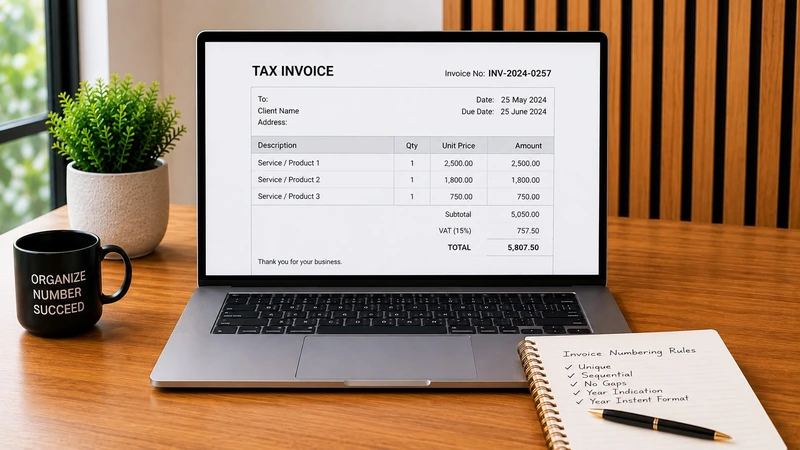
- Put the PO number on the invoice, near the invoice number where it will be seen.
- Do not exceed the PO value. An invoice larger than its purchase order will not match, and will not pay.
- Get a new PO for extra work, the same way you would issue a new quotation.
- Ask who invoices go to. It is rarely the person who briefed you.
Common questions
Is a purchase order legally binding?
It is generally treated as an offer to buy on those terms, which becomes binding on acceptance. Practice varies, so read what the PO says.
What if the client will not issue a PO?
Get the acceptance in writing in some form. An email confirming the quotation is better than nothing.
Does a small client need a PO?
Usually not. This is mostly a corporate and government requirement.
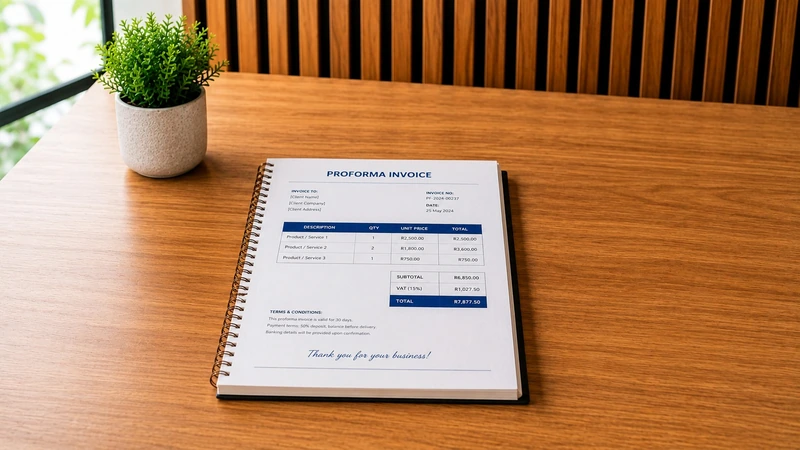
Add the PO number to any invoice and it appears on the document your client receives.
Create your invoiceDisclaimer: This content is for general information only and does not constitute legal, tax, accounting or financial advice. Always confirm important requirements with SARS, the relevant authority or a qualified professional.